The CanopyStyle initiative brings together fashion's most progressive players and industry giants to protect the world's forests while scaling up the use of next-generation alternatives.
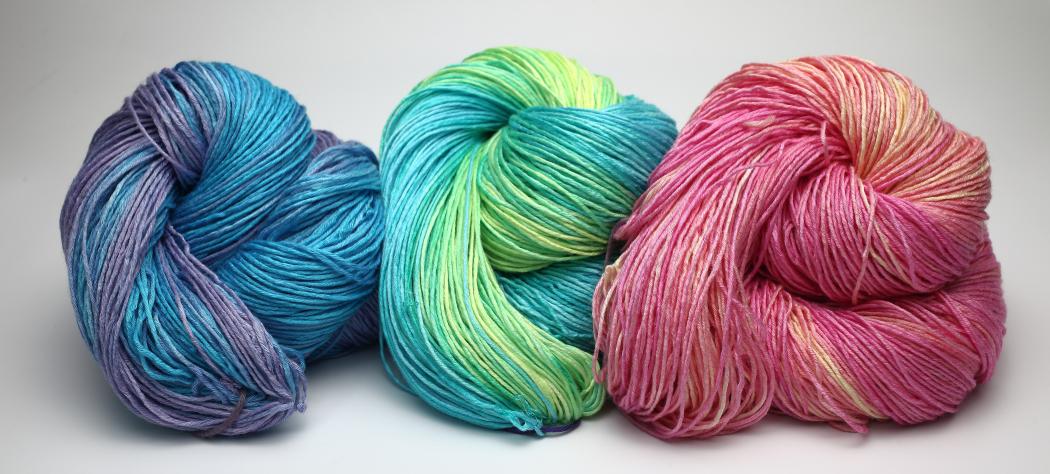
The fashion industry has increasingly relied on forests to create natural wood-based fabrics such as viscose, modal and lyocell. According to Canopy – an independent environmental organisation working to protect the world's Ancient and Endangered Forests – over 200 million trees are logged every year and turned into cellulosic fabric, endangering the world's forests, biodiversity and climate.
As such, Canopy launched the CanopyStyle initiative to rally support from the industry's biggest players to end the sourcing of viscose fibre from the world's Ancient and Endangered Forests.
Preferred by Nature is approved by Canopy as an auditing body to carry out CanopyStyle verification audits. Over thirty viscose audits have been conducted against the CanopyStyle criteria and Preferred by Nature has provided audits for the majority of such companies.
If you are a man-made cellulosic fibre (MMCF) producer and have a policy in place with Canopy, get in touch with us to learn how to get started on your verification journey.
Access the CanopyStyle verification database here.
How is the verification audit process?
The CanopyStyle verification audit focuses on managing the risk and avoiding sourcing from Ancient and Endangered Forests and other controversial sources in man-made cellulosic fibre producers through third-party verification.
The CanopyStyle audits of global producers of man-made cellulosic fibre are based on a robust set of criteria created by Canopy, with approval from the CanopyStyle Leaders for Forest Conservation.
CanopyStyle criteria establish a credible, third-party verification process for viscose, acetate, lyocell, rayon, and modal producers. They describe the procedure by which auditors will verify that producers are meeting the criteria and if/when they can be recognised as being at low risk of sourcing from Ancient and Endangered Forests and other controversial sources.
The CanopyStyle audits are used by over 500 apparel brands, retailers, and designers as a guide to implementing their CanopyStyle sourcing policies. These audits are a key tool to support improved performance on these commitments and will be conducted on a regular base. As part of the CanopyStyle initiative, producers are required to document and provide evidence towards a set of predefined criteria and key progress indicators.
Audit findings will contribute to the annual CanopyStyle's Hot Button Issue Report – assessing viscose producers' overall performance on forest conservation, advancement on developing fabrics made from next-generation feedstocks, and transparency.
>> Click here for an overview of the audit process.
Complaints and resolutions
If a complaint is raised about our certification services or one of our clients, we handle this in accordance with our Dispute Resolution Policy. We may call on our Impartiality Committee if Preferred by Nature’s impartiality is under question.
How the Preferred by Nature Sustainability Framework Certification scheme is governed
The Preferred by Nature Sustainability Framework Certification (PBN SFC) scheme operates under a governance system designed to support transparency, impartiality, accountability and stakeholder participation.
The system defines how the scheme is managed, how standards and procedures are developed and revised, and how certification activities are independently assessed and overseen.
The scheme owner and the certification body are separate legal entities, with different staff, reporting lines and responsibilities. The scheme is owned by Preferred by Nature F.M.B.A. in Denmark, while certification is carried out by Preferred by Nature OÜ in Estonia, which holds the accreditation under which all certification activities are performed and takes certification decisions independently. Both entities sit within the Preferred by Nature organisational umbrella.
The scheme's governance structure also includes internal decision-making bodies, external stakeholder representation and mechanisms for stakeholder engagement and dispute resolution.
Scheme governance documents
The following documents describe the governance structure, procedures and requirements supporting the operation and integrity of the PBN SFC scheme.
Governance structure, roles and responsibilities
Explains how the PBN SFC scheme is governed, including the responsibilities of its governance bodies, decision-making processes, stakeholder participation and dispute handling.
Describes how PBN SFC standards are developed, reviewed and revised, including stakeholder consultations, approval processes and transition arrangements.
Sets out the procedures for developing, reviewing, approving and publishing scheme documents other than normative standards, including governance procedures and supporting documents.
Defines the requirements for accreditation bodies overseeing certification bodies operating under Preferred by Nature Sustainability Framework Certification, including competence, impartiality, information sharing and cooperation with the scheme owner.
Establishes the requirements for certification bodies conducting PBN SFC audits and certification activities, including auditor competence, certification decisions, surveillance, impartiality and quality assurance.